

What LVMH actually bought when they bought Tiffany
Issue #5 · The most valuable asset in a luxury acquisition isn't the brand. It's the political cover.


Every luxury brand inherits two balance sheets.
The one the CFO can see. And the one nobody talks about.
The stores that should have been renovated. The systems that should have been replaced. The product lines that should have been killed. The executives everyone knows aren’t working.
That’s the second balance sheet. That’s operational debt.
Most CEOs I’ve sat with, in brands of every size, can recite it from memory. They have known about it for years. They have been waiting for the right moment to fix it.
Most luxury houses spend years waiting for the perfect moment. It never arrives. The politics are always wrong. The board is always cautious. The previous decisions are always somebody’s legacy.
There is exactly one window when the politics flip. The eighteen months after a change in ownership.
Almost nobody uses that window.
LVMH used it on Tiffany.
What changed at Tiffany, and what didn't
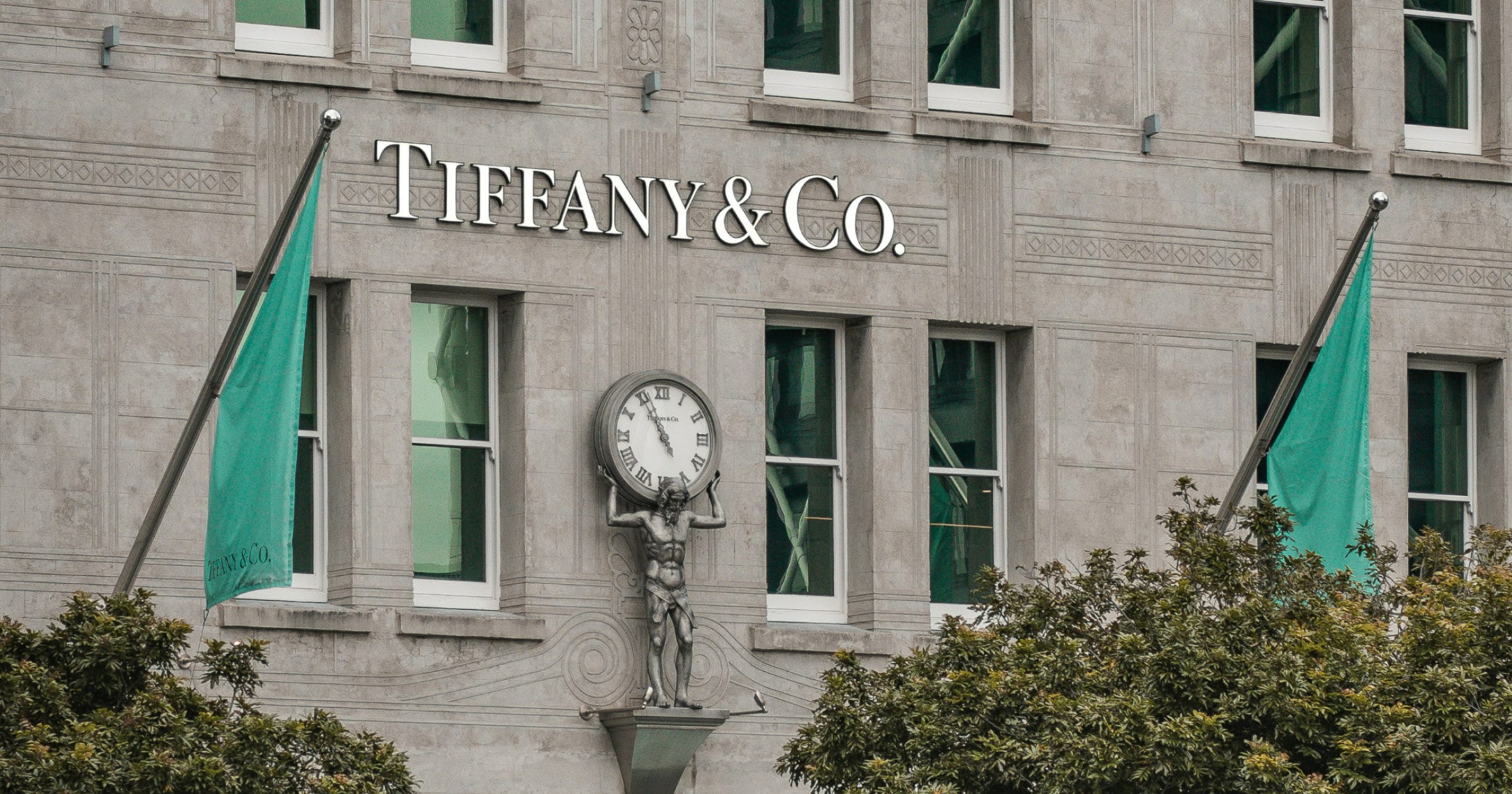
LVMH bought Tiffany in January 2021 for $15.8 billion. The brand was viewed as faded. The store network was tired. The customer base was ageing. The operational backbone had been accumulating compromises for decades.
The first eighteen months looked like every other luxury acquisition. New senior team. New creative direction. Celebrity contracts. Lady Gaga, Beyoncé, Jay-Z, Florence Pugh. The press wrote those stories.
The real work was somewhere else.
LVMH was using the political cover of the acquisition to rebuild Tiffany’s operational stack. Every flagship in the network. The product mix. The pricing architecture. The customer data infrastructure. None of that work generated a press release. All of it determined whether the brand would carry the campaigns landing three years later.
The Landmark on Fifth Avenue reopened in 2024 as the most expensive store renovation in luxury retail history. By 2025, it was being reported as the world’s premier luxury store. High jewelry revenue had quadrupled since the acquisition. Operating profit had doubled. New flagships opened in Milan and Tokyo. The Natalie Portman campaign launched in 2026 onto an operational foundation that simply did not exist in 2020.
All of this happened during a year when LVMH’s group revenue was down 5% and the wider watches and jewelry segment was flat.
The acquisition wasn’t successful because LVMH bought Tiffany.
It was successful because LVMH used the acquisition as cover to fix everything previous management had postponed.
Why this matters, and why most CEOs miss it
The tragedy is that operational debt rarely looks dangerous.
Customers don’t see the inventory system. They don’t see the clienteling platform. They don’t see the pricing architecture.
They only see the consequences.
A store that feels tired. A service experience that feels disconnected. A brand that slowly stops feeling special.
By the time the consequences show up in the numbers, the cause is buried under five years of compounding decisions that nobody made deliberately. Each one looked sensible in isolation. Together they explain why a brand that meant something in 2015 means slightly less now.
The luxury houses in Italy, in France, in the US, that are now navigating new ownership, lender pressure, generational succession, or PE involvement, are sitting on the same window LVMH had with Tiffany in 2021. Most will not use it.
They will spend it on the visible work. The new campaign. The redesigned monogram. The flagship opening that the press writes about. That work absorbs the political capital without doing the structural rebuild underneath. Three years in, the same operational debt is still there, the new creative direction is fading, and the next ownership change is starting to look inevitable.
LVMH did not do that.
The discipline isn’t about having LVMH’s capital. It is about knowing what to do with the window when you have it.
Most luxury houses know exactly what needs fixing.
The question is whether they’ll use the window when they have it.
LVMH did.
— Susan
Reply and say hi. I read every one.